THE RÉCITS RELIÉS METHOD — GUIDE AND EDUCATIONAL RESOURCES
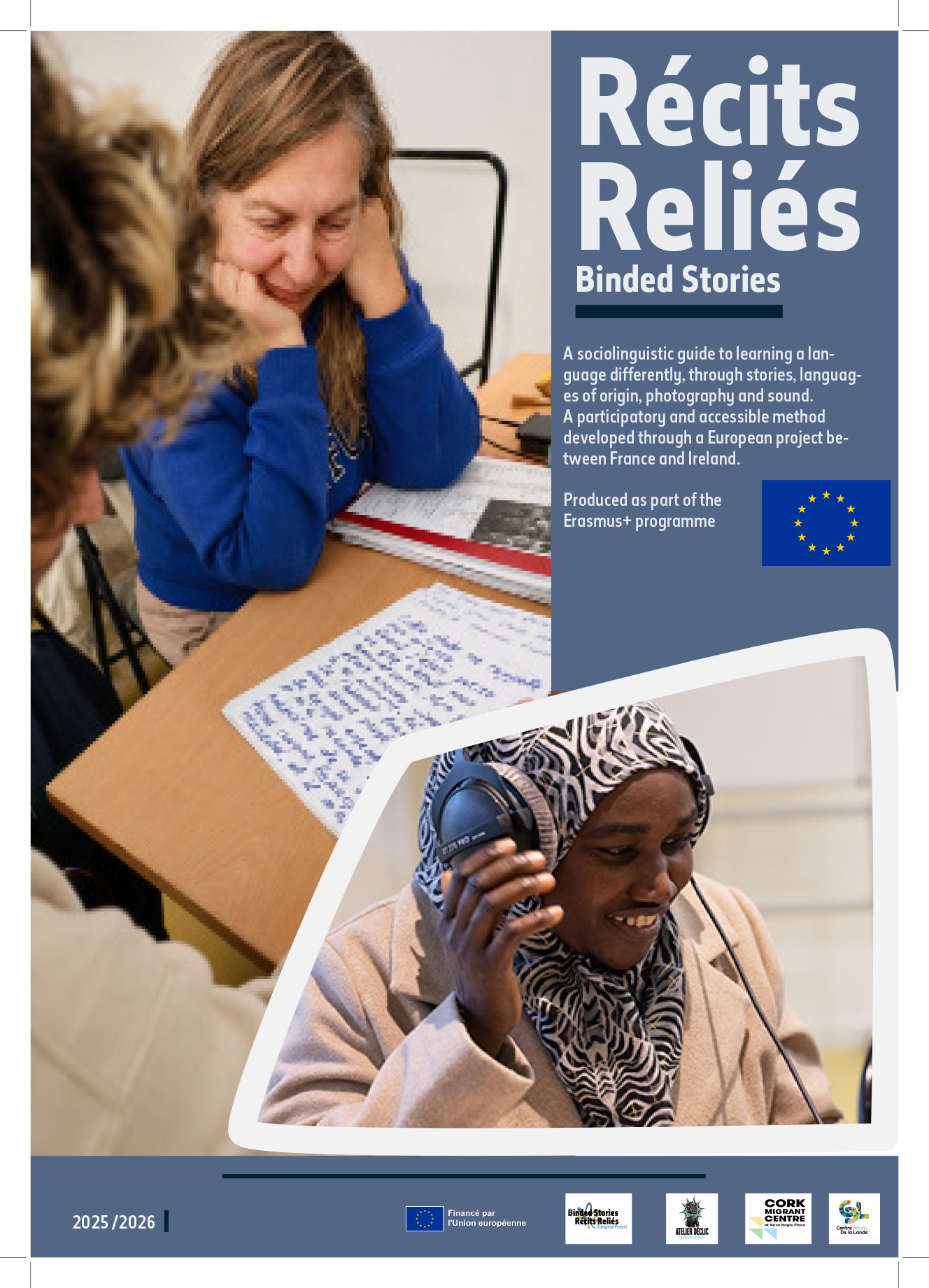
Discover a sociolinguistic approach developed through European cooperation between France and Ireland. A guide and ten educational tools to explore new ways of learning languages through storytelling, participants’ first languages, photography and sound.

THE RÉCITS RELIÉS METHOD
Learning Languages Through Storytelling, Translation, Images and Sound
Une démarche sociolinguistique participative, née d’une coopération européenne et destinée à évoluer.
What if the languages we already speak became the starting point for learning new ones?
The Récits Reliés / Binded Stories method offers a different approach to language learning, placing learners’ experiences, knowledge and first languages at the heart of the learning process.
The method draws on storytelling, translation, audio recordings and photography to create practical language-learning opportunities.
Developed through an initial Erasmus+ partnership between France and Ireland in 2025–2026, this approach led to the creation of a sociolinguistic guide, ten educational tools and six workshop session plans.
These resources are designed for professionals, volunteers and organisations wishing to develop accessible, participatory language-learning workshops adapted to a wide range of learners.
The method is designed to evolve. Future European collaborations will provide opportunities to compare practices, develop new tools and gradually enrich the guide through practical experience gained in the field.
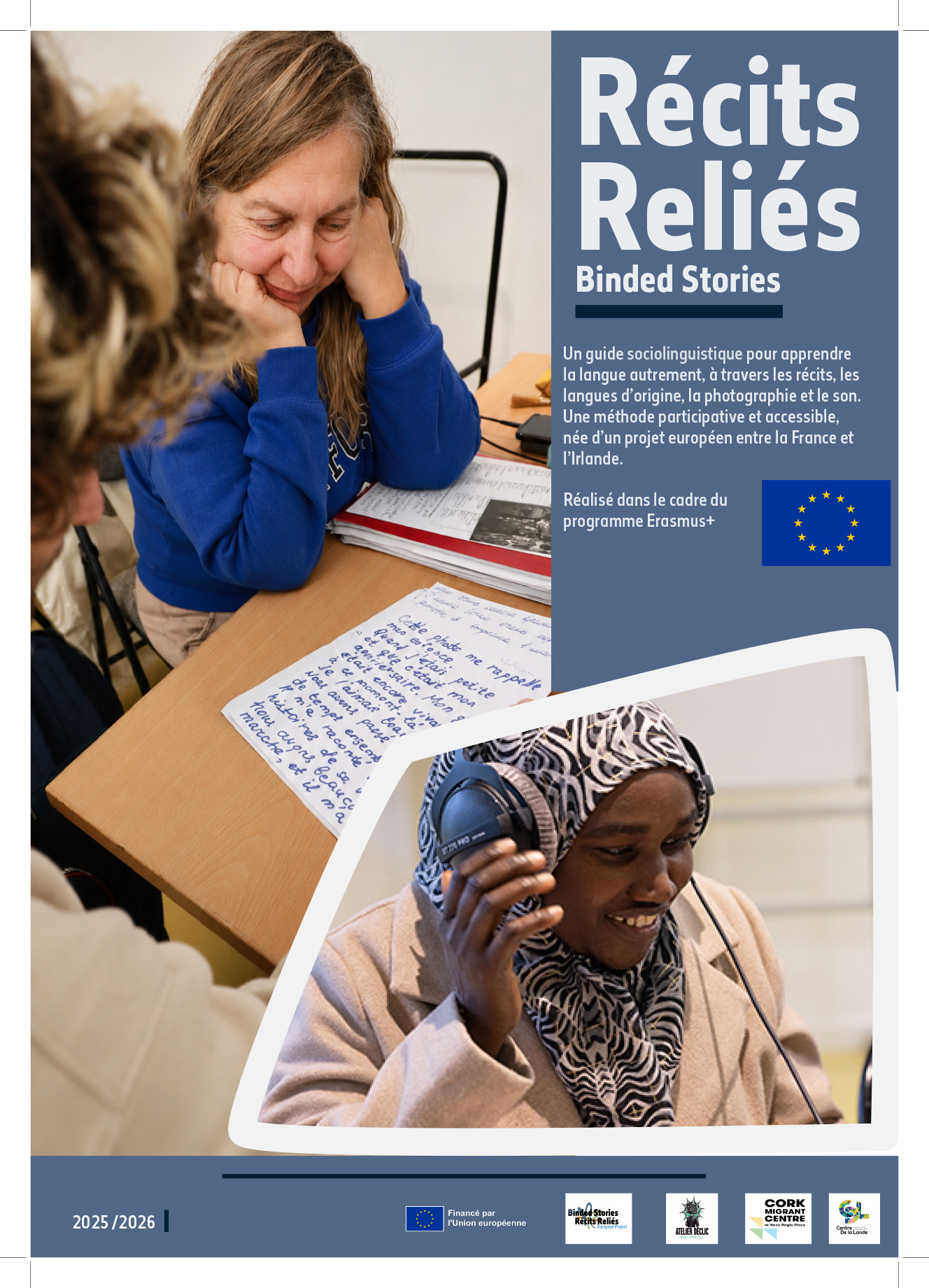
Learning a Language Through Your Own Story
First Languages: A Valuable Resource
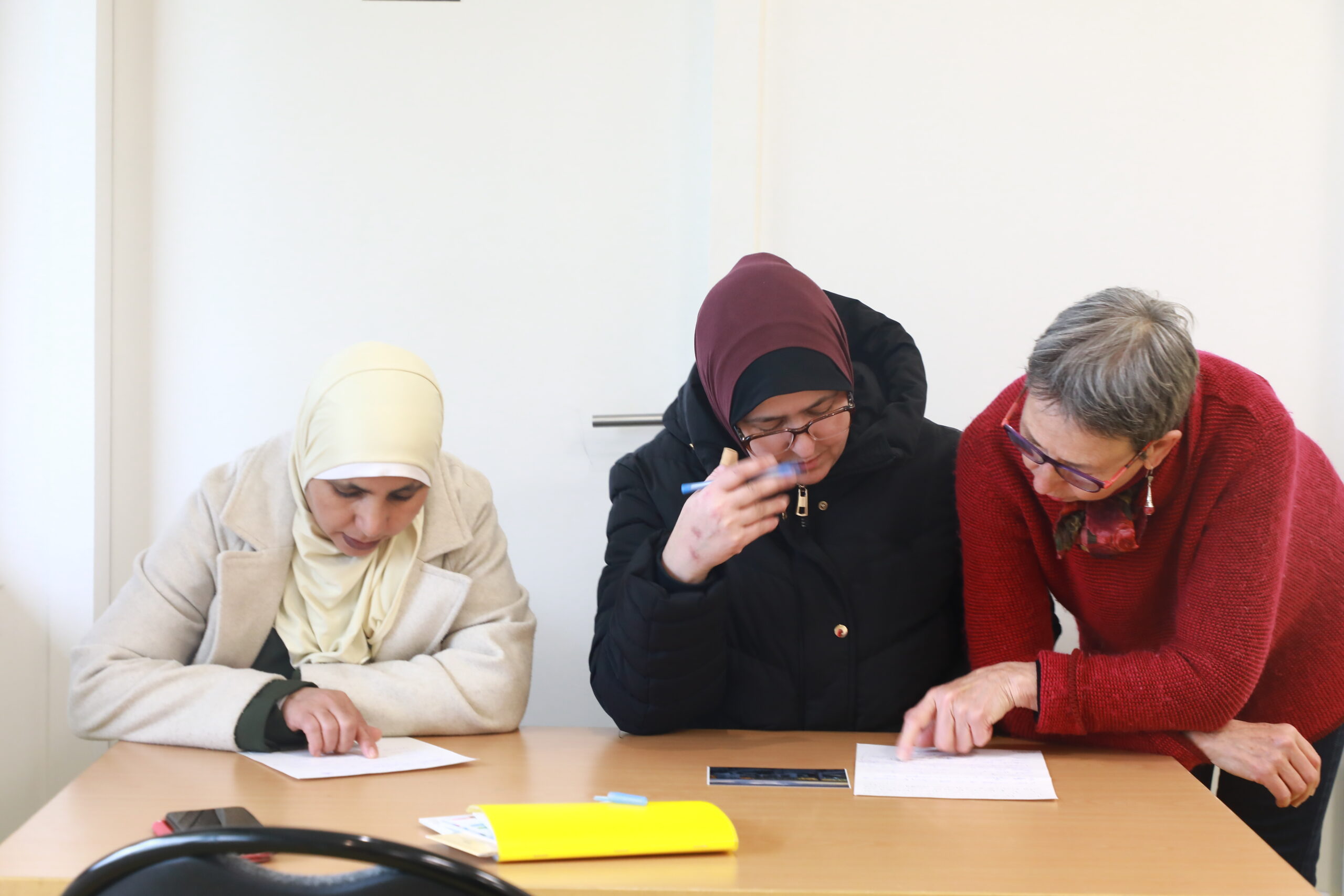
Learning a new language does not mean starting from scratch. Everyone already has knowledge, experiences and language skills that can become valuable resources for learning.In the Récits Reliés / Binded Stories method, participants’ first languages play a central role. Rather than asking them to express themselves immediately in French or English, we encourage them to begin with a language they feel confident using.This approach allows participants to express their ideas more precisely, draw on their existing vocabulary and tell the stories they want to share without being immediately held back by difficulties in the language they are learning. The different languages spoken within the group also become shared resources. Participants can support one another, explain expressions, compare words and help each other understand a story.
Lourdes Tells Her Story
Her Story in French
Michael Translates the Story into English

Stories and Translation
In Récits Reliés / Binded Stories, storytelling is the starting point for language learning. Each participant is invited to choose a topic that is meaningful to them: a recipe, a celebration, a tradition, a piece of music, a place, an object or a memory. The story is first developed in their first language, either orally or in writing. It then becomes the basis for translation and reformulation into the language they are learning. This approach helps participants expand their vocabulary, build sentences and learn to express ideas through a story they know and understand. Translation is also a collaborative process. Participants can work together to explore the meaning of a word, explain a cultural reference or find a clearer way to express an idea. During the first project between France and Ireland, stories were also shared between the partner groups. Languages spoken in common enabled participants to help understand and translate stories from the other country.
Photography and Sound: Tools for Self-Expression
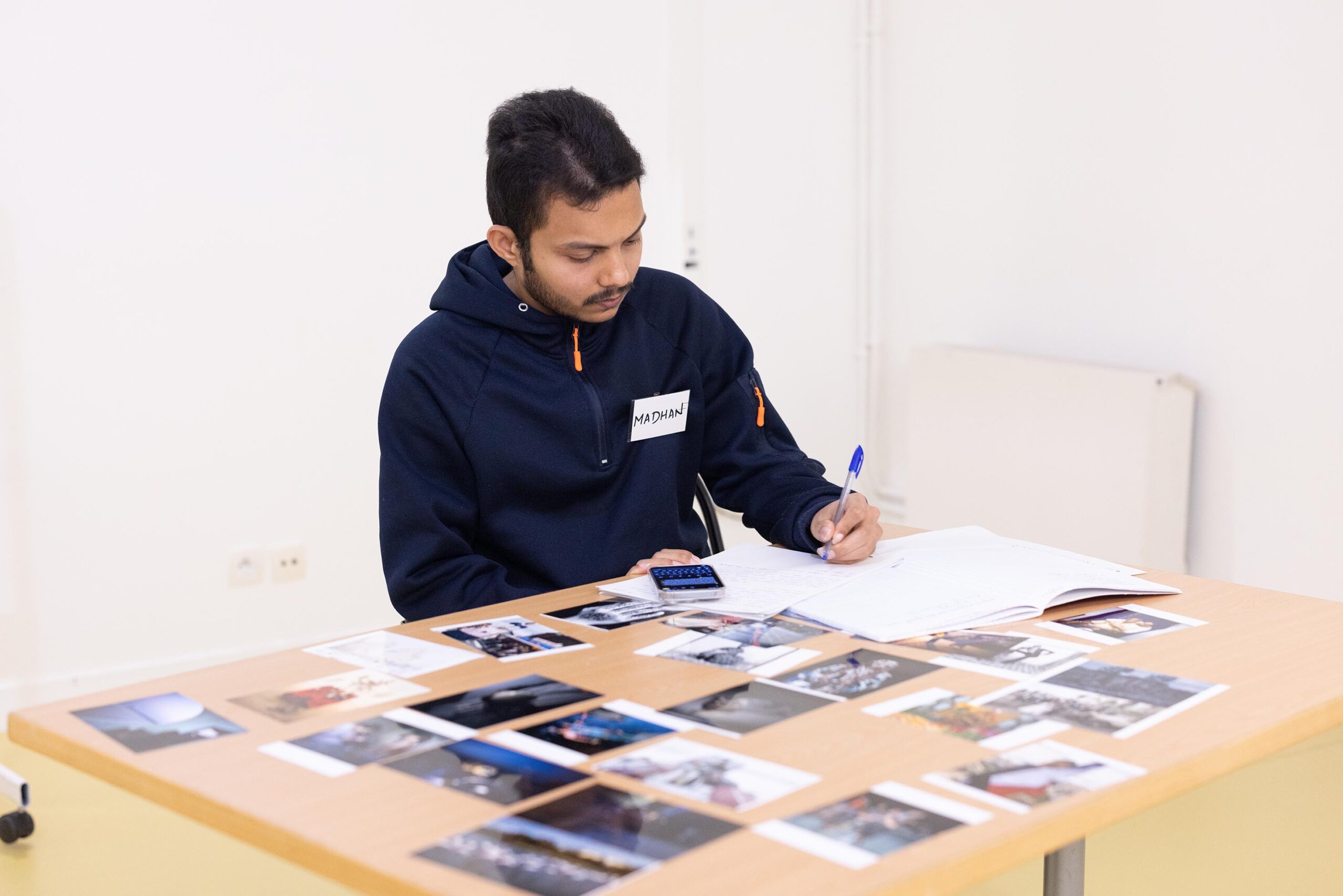
Photography and sound play an important role in the Récits Reliés / Binded Stories method. They are not artistic goals in themselves, but practical tools for developing spoken and written communication skills. Photography encourages participants to observe, describe and tell stories. An image can bring back a memory, spark a conversation or become the starting point for a story. Participants can also photograph useful places in their everyday surroundings, such as a bakery, a bus stop, a park or a local shop. These photographs can then be used to develop vocabulary, write captions and imagine real-life communication situations. Sound gives spoken language a central place in the learning process. Participants record their stories in their first language and then in the language they are learning. Recording and listening back help them work on pronunciation, rhythm, listening comprehension and confidence in speaking. Professional equipment is not necessary: a smartphone is enough to carry out these activities.

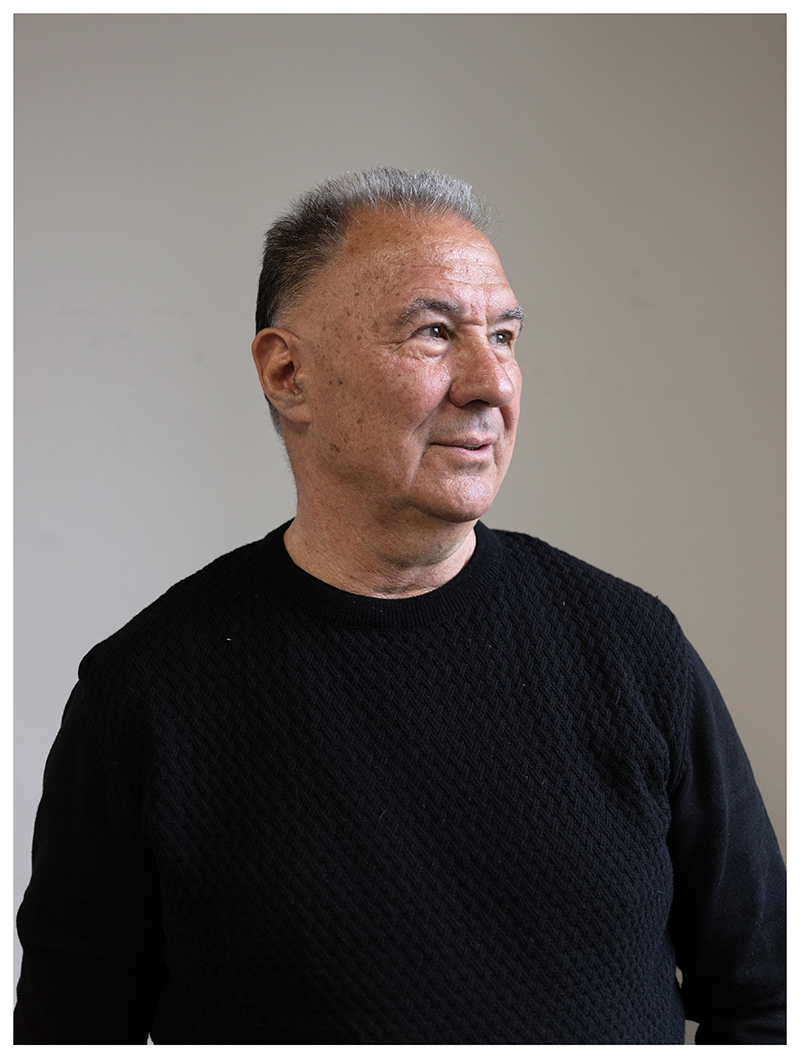

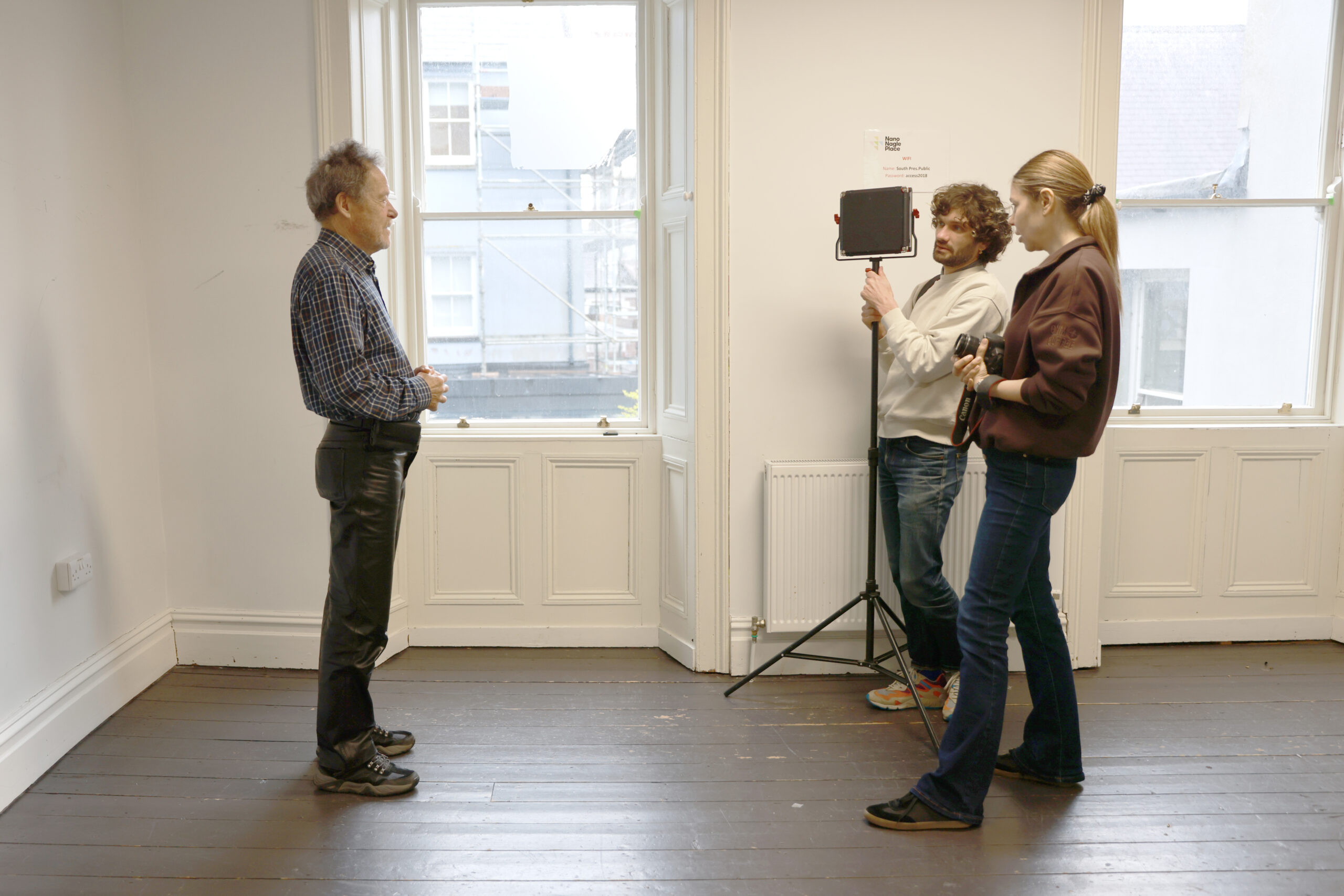
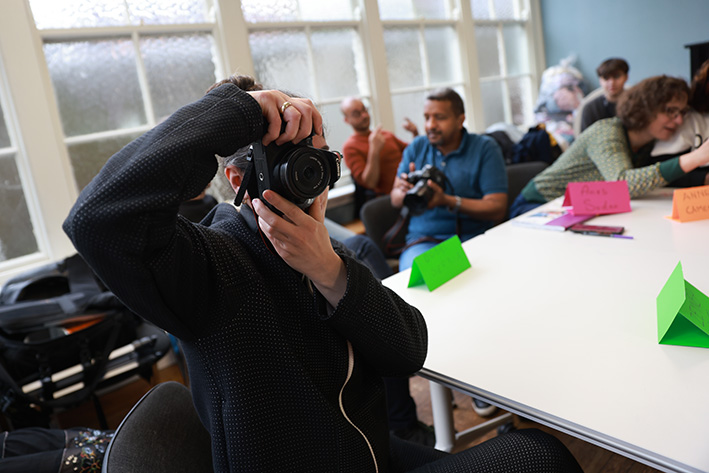

Portraits in Dialogue: Telling Stories Through Others
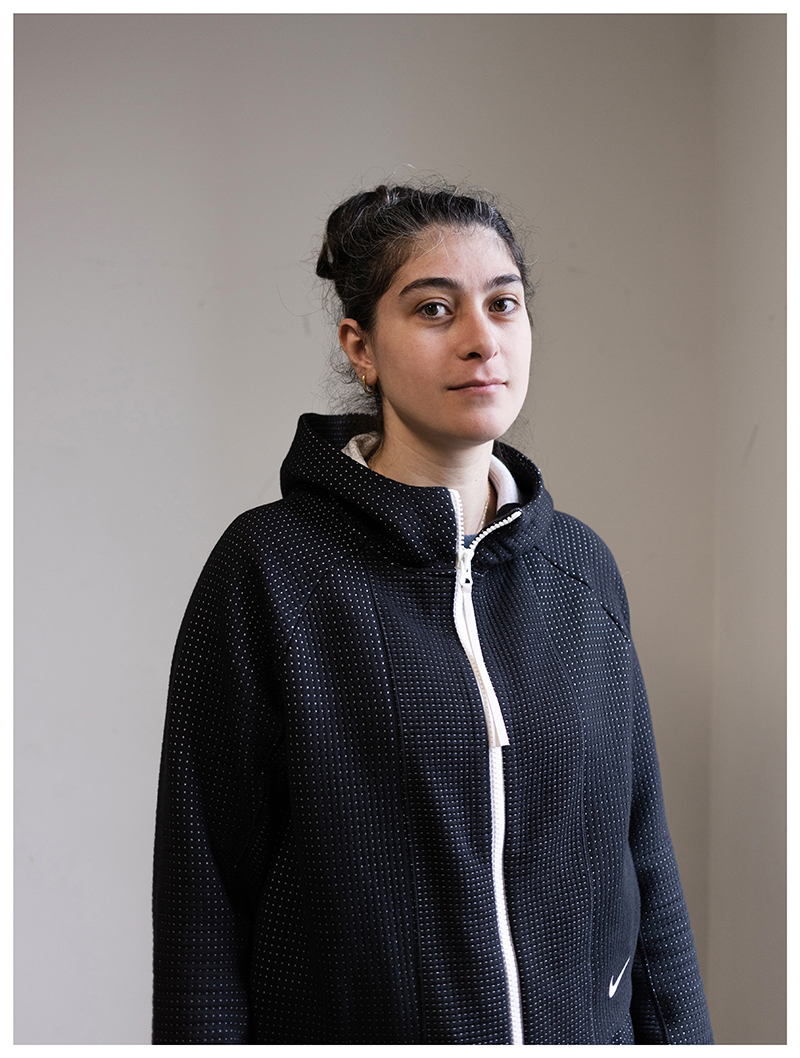
Alex takes a photographic portrait of George and describes him in Russian.
Le guide sociolinguistique
Une méthode sociolinguistique développée dans le cadre du projet Erasmus+ France–Irlande 2025–2026.
28 pages · Français / Anglais · Édition 2026 Récits Reliés / Binded Stories — CC BY-NC-SA 4.0
The Sociolinguistic Guide
A sociolinguistic approach developed as part of the 2025–2026 Erasmus+ project between France and Ireland.
28 pages · French / English · 2026 Edition Récits Reliés / Binded Stories — CC BY-NC-SA 4.0
THE 10 EDUCATIONAL TOOLS
Practical Resources for Learning, Storytelling and Sharing.
These ten tools support the different stages of the Récits Reliés method: identifying languages, developing stories, translating, taking photographs, recording and assessing learning progress.
Each tool is available to download free of charge and can be adapted to participants’ needs.
01 — WELCOME SHEET
Getting to know participants, identifying the languages they speak, understand, read or write, and exploring their expectations. This tool helps adapt activities to participants’ needs and different language proficiency levels.
03 — STORY STARTER WORKSHEET
Guiding participants as they develop their first story based on a chosen image. This worksheet helps them explore ideas, emotions and memories, starting in their first language.
05 — STORY WORKSHEET
Support participants in developing and structuring a story, first in their own language and then in the language they are learning. The worksheet also helps them prepare to read their story aloud and make audio recordings.
07 — FICHE TRADUCTION ET REFORMULATION
Guide participants in translating their stories from their first language into the language they are learning. This tool helps them explore the meaning of sentences, find equivalent expressions and produce clear translations suited to their language level.
09 — LEARNER SELF-ASSESSMENT WORKSHEET
Help participants recognise what they have learned and assess their progress. This worksheet highlights the skills they have developed in speaking, writing and translation, as well as their growing confidence.
02 — PHOTOGRAPHIC IMAGE BANK
A selection of photographs designed to encourage conversation, bring back memories and spark the imagination. Each image becomes a starting point for telling a story, sharing an experience or discovering new vocabulary.
04 — LANGUAGE MAPPING CHART
Identify the different languages spoken within the group and find out which ones participants share. This tool helps create pairs, encourage mutual support, foster intercultural exchange and facilitate collaborative translation.
06 — VOCABULARY BRIDGE WORKSHEET
Identify the key words and expressions in a story to build bridges between languages. Participants gradually develop their own vocabulary based on their personal stories.
08 — PHOTOGRAPHY WORKSHEET
Use photography to observe, describe and better understand everyday surroundings. Participants photograph useful places, expand their vocabulary, write captions and imagine dialogues based on real-life situations.
10 — FACILITATION TEAM EVALUATION WORKSHEET
Help professionals and volunteers review how workshops were conducted, monitor participants’ progress and identify any challenges encountered. This tool supports the adaptation of teaching practices and the continuous improvement of the educational approach.
The Six Sessions: A Step-by-Step Guide to Putting the Method into Practice
From Getting to Know One Another to Creative Expression: A Structured and Adaptable Workshop Programme.
This document brings together the six session plans that provide a practical, step-by-step framework for implementing the Récits Reliés / Binded Stories method.
It guides professionals and volunteers through a complete series of sociolinguistic workshops, covering welcoming participants, exploring the languages spoken within the group, developing stories, translation, audio recordings, photography and assessing learning progress.
Each session outlines the learning objectives, suggested duration, required resources, detailed activities and key considerations.
Designed as a practical resource for workshop facilitators, this programme can be adapted to A1, A2 and B1 language levels, participants’ needs and the resources available to each organisation.
A practical guide to putting the educational approach into action in real-world settings.
6 Session Plans · 7 Pages · PDF
Download the Complete Six-Session Programme
EUROPEAN PERSPECTIVES
A Method That Travels and Evolves
Récits Reliés / Binded Stories began as a European partnership between France and Ireland in 2025–2026. This experience led to the development of a sociolinguistic approach that values participants’ first languages and uses storytelling, translation, photography and sound as tools for learning. But this first edition is only the beginning. Each country has its own linguistic, cultural and social realities. Learners, teaching practices and learning environments vary from one context to another. This diversity offers valuable opportunities to further develop and enrich the method.
Our ambition is to continue developing Récits Reliés / Binded Stories with new European partners, testing the tools in different contexts, comparing teaching practices and sharing experiences. Each new partnership will offer opportunities to enrich the sociolinguistic guide, develop new activities and adapt the educational resources to different groups of learners. The aim is to gradually build a shared, open and evolving approach, shaped by practical experience and the contributions of all partners.
Learners’ Voices
Beyond the tools and teaching methods, Récits Reliés / Binded Stories is above all an experience shaped by the people who took part. Through these two testimonials, learners share their perspectives on the project, what they discovered and what the experience meant to them.
Nathalia, originally from Ukraine, and Madhan, originally from India, both attend sociolinguistic workshops in France. They also took part in the European project Récits Reliés / Binded Stories. Through their testimonials, they share their experiences of the project. Their different journeys highlight the richness of the encounters, languages and cultures at the heart of this European experience.

Récits Reliés / Binded Stories — Erasmus+ 2025–2026
Unless otherwise stated, the guide’s original educational resources are made available under the Creative Commons CC BY-NC-SA 4.0 licence.
Funded by the European Union. The views and opinions expressed are those of the author(s) only and do not necessarily reflect those of the European Union or the Erasmus+ France / Education & Training Agency. Neither the European Union nor the granting authority can be held responsible for them.